Analyst: Sony’s Disc-Free PS5 Shift Won’t Change Nintendo’s Physical Strategy

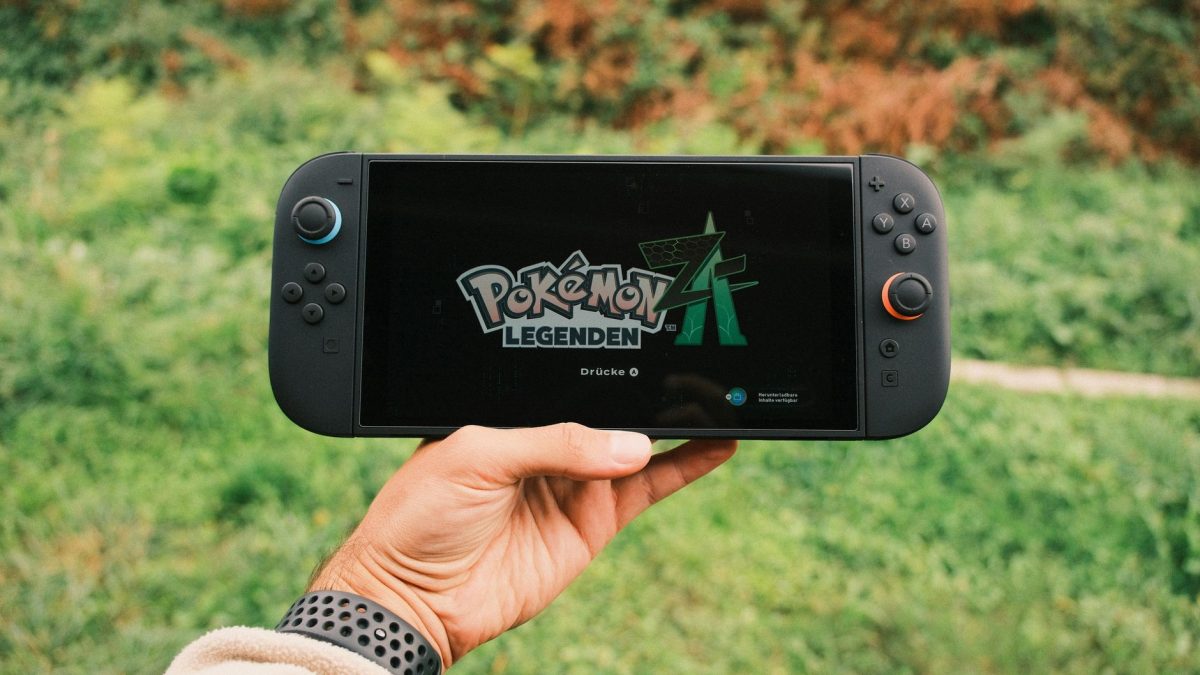
Sony’s surprise announcement that it will end disc-based PlayStation releases by 2028 has sparked plenty of debate about whether other console makers might follow suit. According to Nintendo Life, industry analyst Mat Piscatella of Circana doesn’t think Nintendo will be swayed by Sony’s move, arguing the Switch 2 maker charts its own course regardless of what its rivals do.
Piscatella, who serves as Circana’s senior director and tracks US hardware and software sales, shared his outlook with VGC after Sony confirmed its plan to phase out physical PS5 discs. Nintendo Life reports that his assessment is blunt: Sony’s decision has little bearing on how Nintendo runs its own business.
“Nintendo Is Going to Be Nintendo”
As quoted by Nintendo Life, Piscatella said: “My gut says Nintendo does what Nintendo wants to do, and I don’t see them changing anything in their plans based on what Sony or Microsoft do on anything, really. Nintendo is going to be Nintendo, for better and/or worse.”
That independence, according to the outlet, extends to how Nintendo has handled physical media through the launch of the Switch 2. Piscatella noted that the US physical games market has seen a slight uptick over the past 12 months, though he cautioned that this bump likely “won’t last” given that physical sales have declined every year since the late 2000s.
Retail Still Backs Nintendo’s Physical Push
Despite the broader downward trend, Nintendo Life notes that retailers continue to support Nintendo’s physical offerings, with the company holding what Piscatella described as a “very strong share” of physical software and hardware sales since the Switch 2 launched. He suggested that share “could continue to increase” as the new console’s momentum builds.
Nintendo has reportedly backed that retail presence with in-store kiosks designed to promote the Switch 2 and its game library to shoppers. This retail-first approach stands in contrast to the direction Sony has signaled for PS5, and it echoes concerns raised elsewhere about Xbox’s own reported plans to move away from discs through its Project Helix initiative.
Game-Key Cards Complicate the Picture
Nintendo’s commitment to physical media isn’t without its own wrinkles. As Nintendo Life points out, the Switch 2 generation introduced Game-Key Cards, physical cartridges that function as a license key requiring players to download the full game rather than storing it on the card itself.
That system has drawn criticism from some fans who see it as a step away from true physical ownership, even as Nintendo continues to position itself as one of the last major console makers still committed to boxed releases. With Sony now targeting 2028 for the end of PS5 discs, Nintendo’s approach to Game-Key Cards and traditional cartridges is likely to face even more scrutiny in the years ahead.
Read also: Sony’s Disc-Free PlayStation Shift Could Fuel a PC Gaming and Esports Boom



Join the Conversation