30,000 Sign Petition Against Sony’s Disc Shutdown, But Factories Are Already Retooling

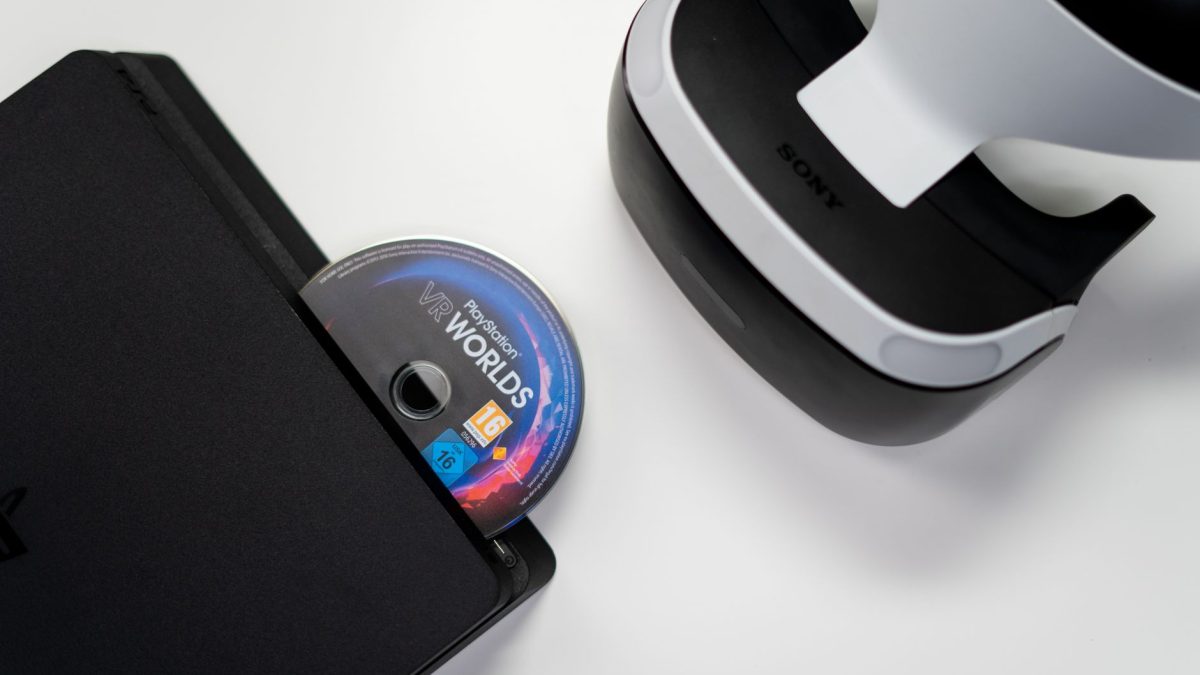
Sony’s plan to stop manufacturing PlayStation discs starting January 2028 has sparked a growing fan revolt, with nearly 30,000 people now backing a Change.org petition to reverse the decision. According to Wccftech, the largest such petition was actually submitted by Canadian retailer PNP Games rather than an individual fan, underlining how much the physical media debate has spread beyond casual players into the retail side of the industry.
Despite the outcry, Wccftech reports that Sony’s factories are already being repurposed away from disc production, a sign that the company’s plans were locked in well before the backlash began. That timing suggests fan pressure is unlikely to change the outcome, even as frustration continues to build online.
Anger Spills Over on Social Media
As Wccftech notes, citing Kotaku, the strength of fan frustration became clear when thousands of angry replies flooded an unrelated post on Sony’s official X account promoting the upcoming Spider-Man: Brand New Day movie. Commenters reportedly used the moment to vent about the looming end of physical PlayStation discs rather than discuss the film itself.
The frustration reflects a broader anxiety among collectors and retro-minded players who value owning physical copies of their games. Even though Sony has said digital sales now make up over 80% of total purchases, Wccftech points out that a sizable portion of the PlayStation audience still buys physical copies and feels left behind by the shift.
An Austrian Factory Reveals How Far Along the Shift Already Is
Confirmation that the transition is already underway came from Austria’s national public broadcaster ORF, as cited by Wccftech, which reported that Sony’s DADC manufacturing plant in Thalgau will be significantly affected by the disc shutdown. Dietmar Tanzer, CEO of Sony DADC, reportedly said that PlayStation currently accounts for roughly 50 percent of the plant’s volume, with about 20 percent of that being new orders, adding that “we are talking about roughly ten percent of the volume in 2028.”
According to the report, no layoffs are currently planned for the plant’s 300 employees. However, Wccftech notes that workers are already being retrained to manufacture optical microlenses instead, with mass production of that new product line set to begin in early 2027, well ahead of the disc cutoff date.
What This Means for PlayStation 6 Owners
The retooling timeline strongly suggests Sony had been preparing this move for a long time, making it improbable that online petitions or social media backlash will alter the company’s course. Wccftech also notes that rumors point to Microsoft potentially following a similar disc-free path with its next Xbox console, hinting that the entire industry may be moving toward all-digital hardware.
For fans who still rely on physical collections, the coming years may represent the last real window to stock up on PlayStation discs before production winds down entirely. Whether Sony offers any concessions to disc loyalists remains unclear, but based on the manufacturing changes already in motion, a reversal looks increasingly unlikely.
Read also: Sony’s 2028 Disc Shutdown Raises Questions for PS5 Owners Who Watch Blu-rays





Join the Conversation