GaN Chargers Are Making Bulky Gaming Laptop Bricks a Thing of the Past

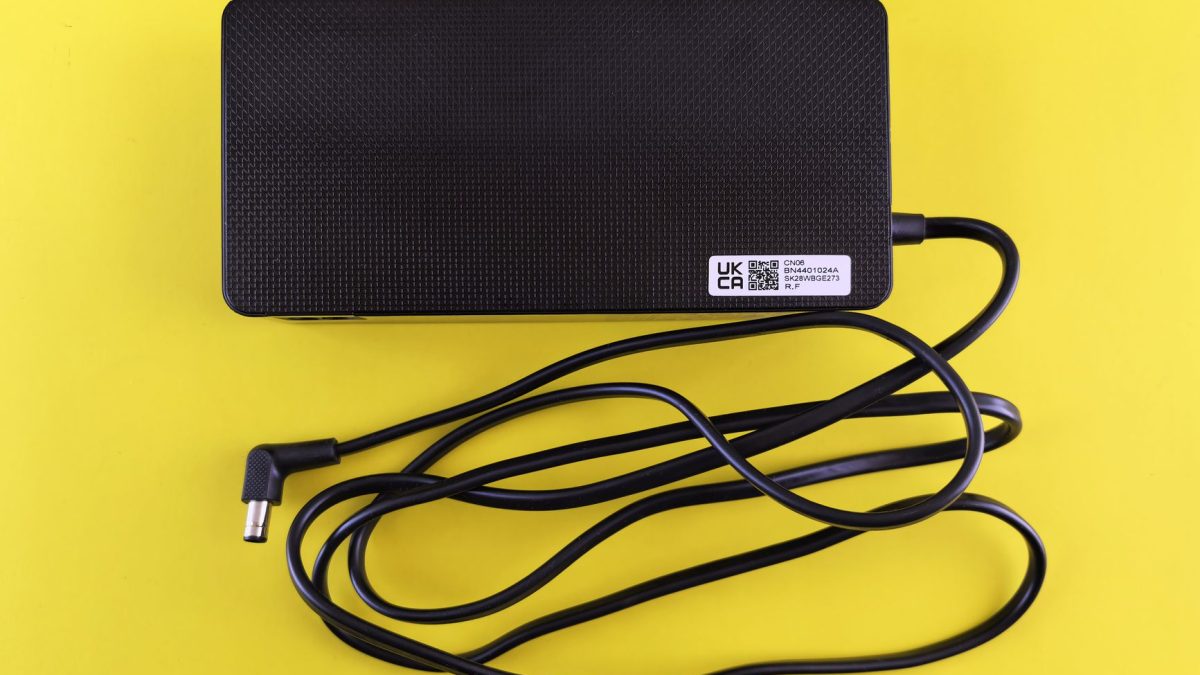
Gamers who lug their gaming laptops to LAN parties, tournaments, or coffee shops are getting a break from one of PC gaming’s most annoying travel burdens: the bulky power brick. According to Engadget, a semiconductor technology called Gallium Nitride, or GaN, is behind a wave of laptop chargers that are up to 40 to 50 percent smaller than the silicon-based bricks that used to ship with nearly every laptop, including high-wattage gaming machines.
For anyone who has packed a gaming bag for a tournament or a trip, the difference matters. Gaming laptops are notorious for needing serious power to run demanding titles, which historically meant carrying an equally serious chunk of charging hardware. GaN is changing that equation without asking gamers to sacrifice charging speed.
What makes GaN chargers different
As Engadget explains, GaN semiconductors are more energy-efficient than the silicon components long used inside charging bricks. That efficiency lets manufacturers build smaller transformers and internal parts while still delivering serious output, with modern GaN chargers commonly rated between 40W and 150W, enough to satisfy even demanding gaming laptops and workstations.
GaN chargers also run cooler than their silicon counterparts, according to the outlet, which opens the door to faster charging speeds since heat has traditionally limited how much current a charger can safely push. Engadget notes GaN hardware can reach up to 99 percent efficiency, compared to roughly 85 percent for older silicon designs, meaning less wasted energy and less heat buildup during a long charging session between gaming sessions.
Gaming laptops are already on board
Engadget reports that it is increasingly difficult to find powerful modern laptops still relying on silicon-based charging hardware. High-end machines from brands like Lenovo and Dell, alongside Apple’s MacBook Pro lineup, have already made the jump to GaN-based chargers. Gaming laptop buyers in particular benefit here, since these machines typically demand the higher wattage that GaN hardware is built to handle efficiently.
Third-party accessory makers are following suit too. Engadget points to Anker as an example of a company that has largely shifted its charger lineup toward GaN technology, giving gamers more affordable aftermarket options if their laptop didn’t originally ship with one.
Not every laptop needs the upgrade
There are still some caveats worth knowing before gamers rush to swap chargers. Engadget notes that entry-level machines, such as the MacBook Air and the MacBook Neo, still ship with silicon-based charging hardware. The MacBook Neo specifically doesn’t support fast charging at all, so plugging in a GaN charger won’t cause any harm but also won’t deliver much of a speed boost.
GaN chargers also tend to cost more than older silicon models, though Engadget says that price gap is narrowing as the technology becomes more common across the laptop market. For gamers weighing an upgrade, the extra cost may still be worth it given the space saved in a gaming bag and the reduced heat output during heavy charging sessions.
Beyond portability, Engadget highlights that many newer GaN chargers include multiple integrated USB ports, letting gamers top up a laptop, controller, and phone from a single compact adapter. The improved power efficiency also makes these chargers a slightly greener choice compared to their bulkier, less efficient predecessors.
Read also: College Football 27 PC: Best Graphics Settings for Smooth 60 FPS Gameplay






Join the Conversation