
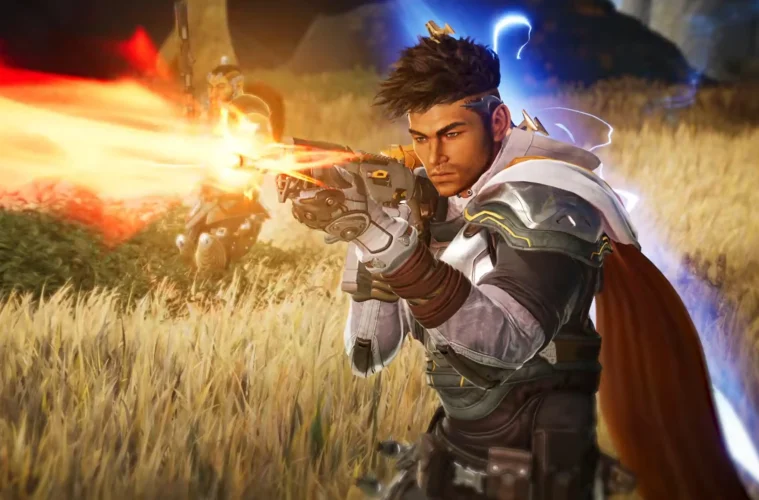
A new report claims that Tencent was the undisclosed lead financial backer behind Highguard, the struggling free to play shooter from Wildlight Entertainment. The revelation comes as the game faces collapsing player numbers, layoffs at the studio, and mounting questions about its future.
For months, Wildlight had described Highguard as “fully funded” but declined to say by whom. Now, according to journalist Stephen Totilo at Game File, Chinese tech giant Tencent was the primary financial force behind the project.
Game File Report Names Tencent As Lead Financial Backer
In a report published on February 18, Totilo cited sources familiar with the matter who said Tencent was the “undisclosed lead financial backer” of Wildlight Entertainment. More specifically, the funding is said to have come through TiMi Studio Group, one of Tencent’s major internal studio groups.
Neither Tencent nor Wildlight Entertainment provided comment by press time, and both companies have so far avoided publicly confirming the financial relationship.
The secrecy around Highguard’s funding had become one of several lingering mysteries surrounding the studio, particularly as scrutiny increased following the game’s rocky launch.
Highguard’s Turbulent Launch And Rapid Decline
Highguard launched on January 26 and initially looked promising, peaking at nearly 100,000 concurrent players on Steam. According to SteamDB data, that number has since fallen dramatically to just over 1,500 to 2,000 peak concurrent players.
The game also received mixed to largely negative user reviews, with players criticising progression systems and overall balance. Despite post launch updates, including the introduction of a 5v5 mode and a ranked mode in Episode 2, the player base has continued to shrink.
In recent weeks, multiple former developers publicly shared that they had been laid off. Wildlight later confirmed it had let go of “a number” of staff, leaving a smaller core team to continue supporting the game.
Website Taken Offline Amid Ongoing Changes
Adding to the uncertainty, Highguard’s official website was briefly taken offline. Users attempting to access it were redirected to a support email. A developer later explained in the game’s Discord that the site was being transferred and simplified, calling it a low priority compared to in game updates.
Wildlight operates out of Los Angeles and Seattle, and prior to the layoffs reportedly had around 100 employees, including several former Respawn Entertainment developers. It remains unclear whether Tencent had any involvement in the studio’s decision to reduce staff.
Tencent’s Broader Gaming Portfolio
Tencent is widely regarded as the world’s largest video game company by revenue. Its investment portfolio includes major titles such as PUBG Mobile and League of Legends, and it holds stakes in companies like Epic Games and Ubisoft.
Industry figures have noted that Tencent often seeds funding into studios without acting as a traditional publisher, allowing developers to retain independence and pursue their own publishing deals. That could explain why Wildlight consistently referred to Highguard as fully funded while avoiding disclosure of its backers.
Highguard was first revealed during The Game Awards 2025, with host Geoff Keighley reportedly offering the trailer slot for free. Tencent senior vice president Steven Ma is a member of The Game Awards advisory board, though no direct link has been confirmed between that and the funding arrangement.
What Comes Next For Highguard
With Tencent reportedly backing Highguard from behind the scenes, attention now shifts to whether additional financial support will continue as player numbers remain low.
Wildlight has outlined an ambitious year one roadmap, complete with seasonal updates and lore cinematics, but with a reduced team and dwindling player engagement, the path forward looks uncertain.
Until Tencent or Wildlight publicly confirm the partnership, the funding details remain based on reporting from sources familiar with the matter. Still, the report adds a significant new layer to the ongoing story of one of 2026’s most turbulent game launches.