

Paralives Early Access sold more than 250,000 copies in its first eight hours on Steam, with the launch also pulling more than 78,000 simultaneous players into its grid-free open world within hours of the 10:00 AM EDT unlock on 25 May 2026. The Montreal indie life sim from Paralives Studio went live globally on PC and Mac, capping seven years of Patreon-funded development. Steam user reviews settled at 86% positive across 1,593 responses logged in the opening hours, earning the game a Very Positive rating and immediately framing it as the most credible challenger to EA’s The Sims franchise in years.
we truly can’t believe how lucky we are! thank you to everyone who supported us (●’◡’●)ノ❤︎ pic.twitter.com/j5l7CGbjj1
— Paralives (@ParalivesGame) May 25, 2026
The launch lands months behind the studio’s original 8 December 2025 target, a delay confirmed in early 2026 after closed playtest feedback surfaced impactful bugs in Live Mode. The Early Access build ships without several headline systems still under construction, with Paralives Studio framing June through September 2026 as a stabilisation window before the first major content update arrives.
250,000 Copies Sold And A Very Positive Steam Reception
Paralives Studio confirmed the 250,000 sales figure the morning after launch, reaching it within eight hours of the 25 May unlock and thanking the community for the response. For a self-funded indie project, that pace clears the kind of launch-day bar usually reserved for publisher-backed releases.
The 78,000 concurrent figure was reached within hours of the 25 May unlock, placing Paralives among the strongest indie life sim openings on Steam in recent memory. The 86% positive Steam review score on 1,593 responses tilted Very Positive, the threshold Steam reserves for releases drawing strong early sentiment from buyers. Paralives carries a base Early Access price of $39.99 USD, currently discounted to $35.99 USD under a launch-season promotion, with regional Steam pricing active globally, no pre-order tier, and no console version planned for launch. The studio has confirmed the price will rise incrementally as content is added through Early Access.
The game runs on PC and Mac, does not require an internet connection, and ships with Steam Workshop support for user-created content. Script mods are not on the current roadmap, but the studio has confirmed Workshop hosting for items, builds, and cosmetic content as the platform scales through Early Access. Paralives is positioned strictly as a single-player offering, which removes the live-service overhead competing life sims have layered onto recent releases.
The release model is the second half of the pitch. Paralives Studio has committed to a no-paid-DLC structure, with every update through the full 1.0 release shipping free to anyone who buys the Early Access build. The studio has held that position publicly since launching its Patreon in 2019, framing it as a direct counterpoint to the expansion-pack model that has driven the bulk of revenue on The Sims 4 across the past decade.
Grid-Free Building And A Connected Open-World Town
The construction system is the headline feature, replacing the rigid grid that has defined the life sim genre since the early Sims era. Walls curve at any angle, objects resize on the fly, floors split across half-levels, and stairs can be drawn freehand to fit any space. Surfaces accept colour and texture customisation down to individual pieces, allowing the kind of granular interior work that has historically required mod tools in competing titles.
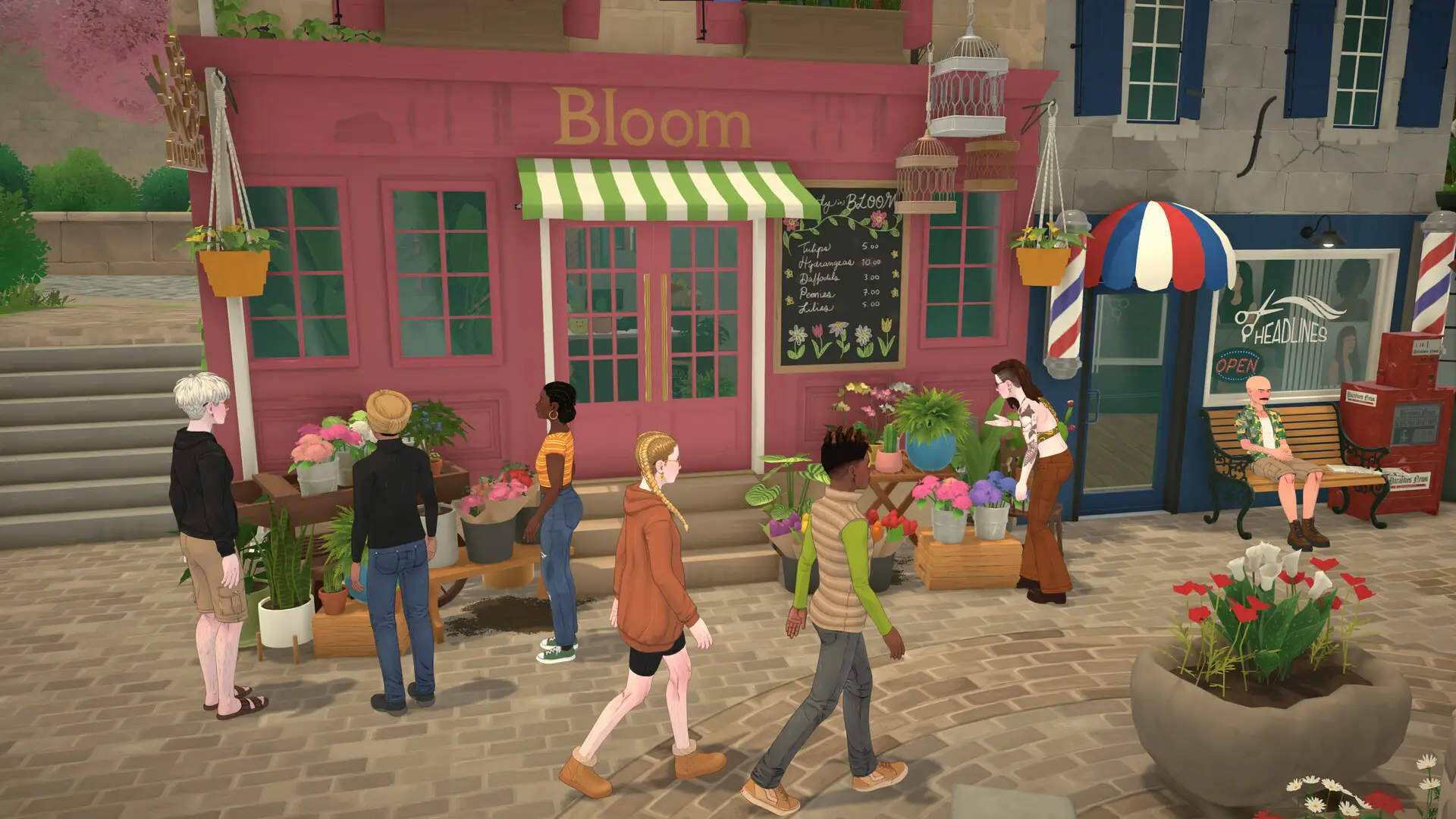
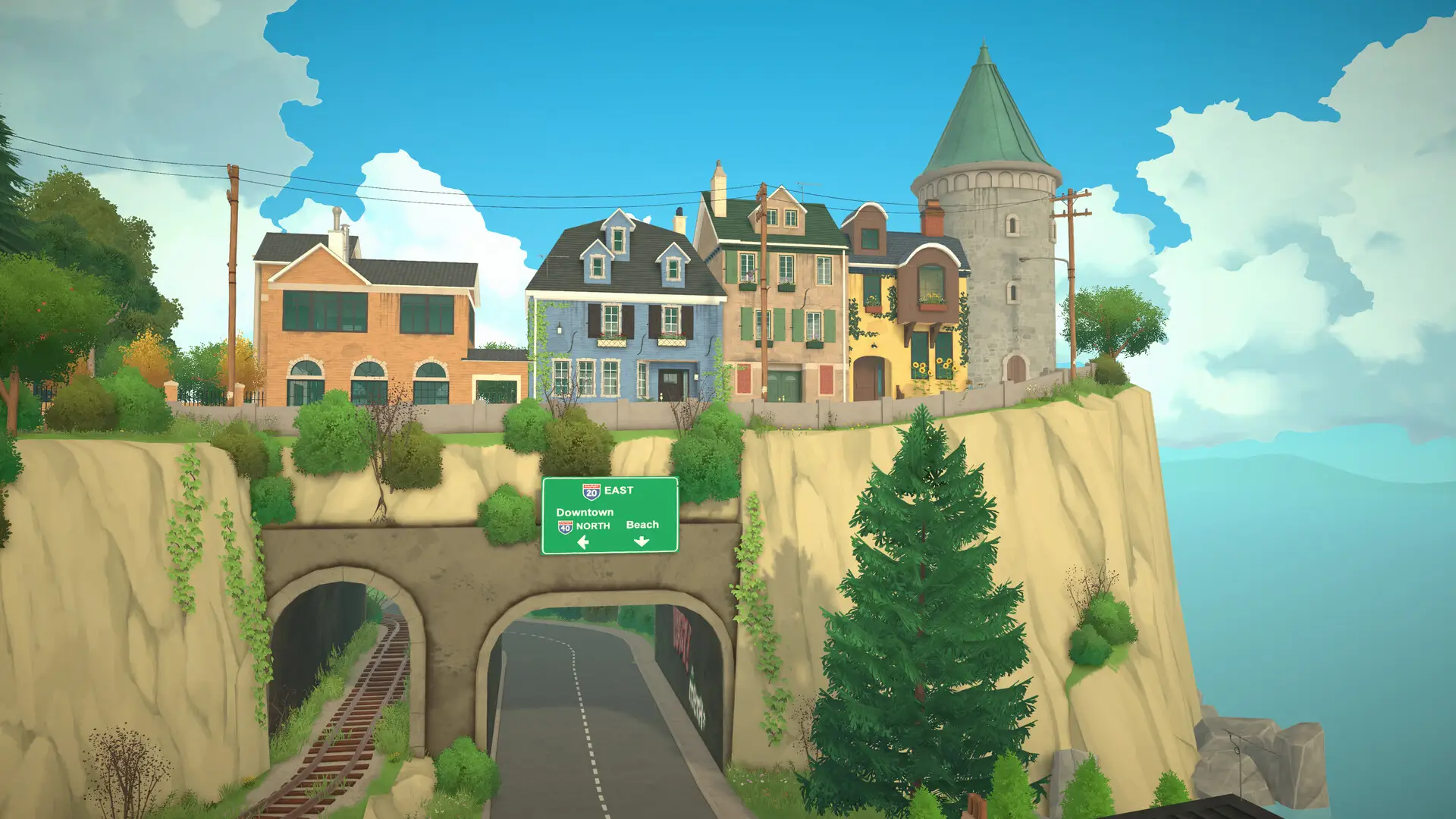
The town itself is structured as a connected open world rather than the loading-zone neighbourhoods most life sims have used. Households share the same persistent map, and the in-game Parafolk move between lots without the cut-to-loading transitions familiar to The Sims players. The visual style trades photorealism for a painterly, pastel-leaning aesthetic that has been the studio’s calling card across its Patreon-era development reels.
Character creation leans into the same flexibility as the build mode. Sliders extend across body proportions, facial features, and clothing fit, with colour wheels rather than locked palettes for hair and outfit customisation. The studio has applied the same approach to object recolouring across furniture, walls, and floor finishes, which scales the cosmetic options for any single household to a degree that competing titles have largely only matched through community mods.
Critics Warn The Early Access Build Is Unfinished
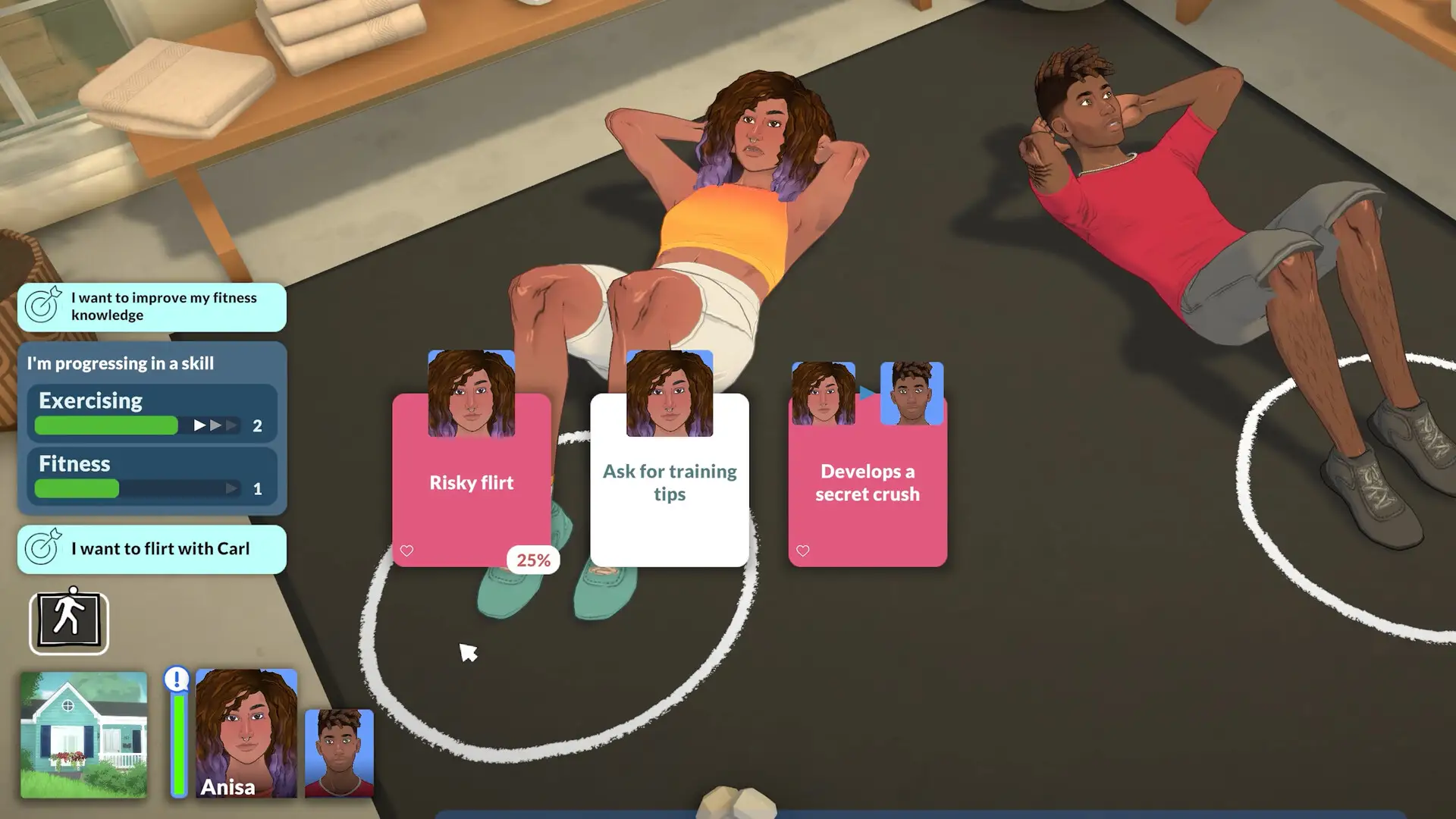
Early reviews split sharply on how complete the launch build feels. TheGamer called it a very promising Early Access start, praising the charming visual style and accessibility of the unique mechanics. PC Gamer offered a more candid assessment, describing the game as buggy, far from feature-complete, and sporting a UI that is messy and oftentimes unintuitive. The 86% Steam rating sits a clear notch above the critical reception, suggesting players are more forgiving of the launch state than the press corps.
The official FAQ confirms the list of systems missing from the launch build:
- Pets
- Seasonal weather
- Swimming pools
- Basements
- Cars and boats
- Family trees
- A calendar system
- Full table-service dining at restaurants
None of those features are flagged as cut content. The studio is treating Early Access as an active development window, with each missing system landing through free patches across the projected support cycle. The absence of seasonal weather and a calendar system in particular shapes the Live Mode loop at launch, with households cycling through days that lack the seasonal beats driving long-term play in The Sims 4.
Free Updates Replace Paid DLC Through 1.0
Paralives Studio has framed June through September 2026 as a stabilisation window before any major content lands. The plan is to ship bug fixes and Live Mode polish across those four months, with the first major content update set to follow afterwards. The studio has indicated that the first drop will introduce one of the larger missing systems from the launch FAQ list, though no firm date or feature has been confirmed publicly.
The free-update commitment covers everything through 1.0. The studio has been explicit that buyers of the Early Access build receive every patch, every content drop, and every system addition at no additional cost between today and the full release. That position has held across every public milestone since the 2019 Patreon launch, and it is the lever the studio has used to convert long-time backers into Early Access buyers on day one.
The roadmap leans on community feedback through the official Discord and Steam discussion boards, and Paralives Studio has committed to public patch notes for each stabilisation pass. Steam Workshop integration for user-created builds will scale through the same window, with the scope of supported content at each phase yet to be detailed. Mod support remains items-and-builds-only for now, with script mods explicitly off the current roadmap.
What Comes Next For Paralives
The crowdfunding history sets the bar the launch needs to clear. Paralives Studio began on Patreon in 2019 and ran on community backing through every milestone since, with the seven-year development cycle visible in monthly studio reels. The Early Access launch is the first time paying customers outside the Patreon community can play the game, and the studio’s framing has been that the next two to three years of free updates are what the price is buying.
The competitive backdrop has shifted in the seven years Paralives spent in development. The Sims 4 went free-to-play in 2022 and has continued to ship paid expansion packs and kits since, while Krafton’s inZOI entered its own Early Access window earlier in 2025 as the first large-budget genre challenger in years. Paralives sits between those poles: smaller in scope than inZOI, free of expansion-pack monetisation against The Sims 4, and reliant on its construction toolset to carry the comparison.
The most-watched figure across the rest of 2026 is whether Paralives can convert its 250,000 launch-day buyers into a stable, returning player base through the stabilisation months. The first major content update is the next public milestone, expected after the September close of the stabilisation window. The size of the feature added in that drop will set the pace for everything after, and indicate whether the studio can close the feature gap against The Sims 4 at the rate its Early Access framing implies.