
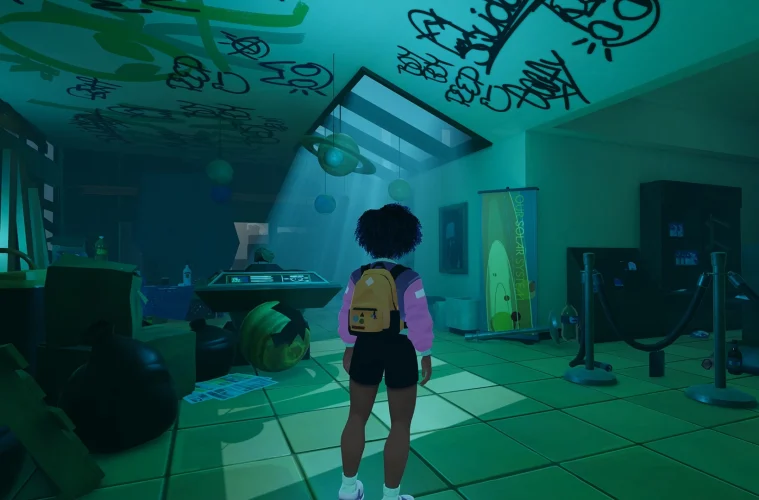
Indie publisher Finji has accused TikTok of creating and running racist, sexualised generative AI ads for its games without permission, including altered promotions for Night in the Woods and Usual June. The studio says the AI-modified ads were pushed to users as if they came directly from its official account, despite having TikTok’s AI ad tools switched off.
What Finji Says Happened On TikTok
One altered ad reportedly focused on Usual June. In the AI-edited version, the game’s protagonist June was shown alone with extended artwork that depicted her in a bikini bottom, exaggerated hips and thighs, and knee-high boots. Saltsman described the result as invoking a racist, sexualised stereotype that bears no resemblance to the character’s actual design.
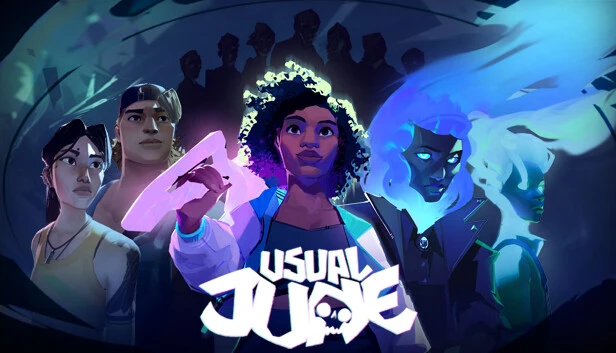
Original Cover of The Game
Finji says these AI-modified ads appeared as slideshow-style creatives, rather than the original video ads the studio uploaded. Crucially, they were displayed as if posted from Finji’s verified account.
Smart Creative And Automate Creative Settings
According to screenshots shared with IGN, Finji had both TikTok’s “Smart Creative” and “Automate Creative” options turned off. These features use generative AI to remix ad assets, combine formats, and automatically optimise images, music, and copy to improve performance.
A TikTok support agent reportedly confirmed that the AI settings were disabled for the campaigns in question. Despite this, the altered ads still circulated. Finji says it is unable to view or edit the AI-generated versions within TikTok’s backend and only became aware of them through user comments and Discord reports.
Saltsman also suspects there may have been at least one other inappropriate AI-generated ad involving another Usual June character, though she says she has not been able to directly access or verify it.
Support Escalations And Conflicting Responses
The support correspondence, as viewed by IGN, shows a series of conflicting explanations from TikTok Ads Support.
On February 6, TikTok initially responded that it did not see any indication of AI-generated assets or slideshow formats and stated the creatives appeared unchanged. After Finji supplied screenshots of the offensive ad, support acknowledged the “unauthorised use of AI, the sexualisation and misrepresentation” of the characters, and said the matter would be escalated immediately.
However, further follow-ups from Finji led to a different explanation. TikTok later suggested the campaign had used a “catalog ads format” designed to combine carousel and video assets to improve performance, claiming such campaigns typically see a 1.4x return on ad spend lift. Finji maintains it never opted into such a format.
When the publisher demanded clarification, including why it had not been connected to a senior representative and how it could opt out permanently, TikTok reportedly stated that the response came from its highest internal team for this type of issue.
Finji’s Response And Broader Concerns
Saltsman did not mince words in her statement, saying she was shocked by what she described as TikTok’s lack of an appropriate response. She criticised both the alleged use of AI without consent and what she sees as a failure to address the racist and sexist output of the system.
She also pointed to the reputational damage caused by altered ads circulating under Finji’s name. For an indie publisher that has spent over a decade building trust with its audience, the idea that AI-generated content could misrepresent its characters and creative direction is a serious concern.
Finji has since ended the ad campaigns in question, believing that was the only way to stop the AI-modified creatives from appearing.
Growing Tensions Around GenAI In Advertising
This situation adds to ongoing industry tension around how generative AI is being deployed in marketing pipelines. Platforms increasingly promote automated creative optimisation as a performance boost for advertisers, but studios are raising questions about consent, transparency, and control.
For indie publishers in particular, brand identity and character representation are core to their relationship with players. When AI tools alter that presentation without clear oversight, the fallout can go well beyond a simple ad format issue.
Whether TikTok will formally address Finji’s claims remains to be seen, but the controversy is likely to fuel wider scrutiny of how generative AI is used in paid media systems.