
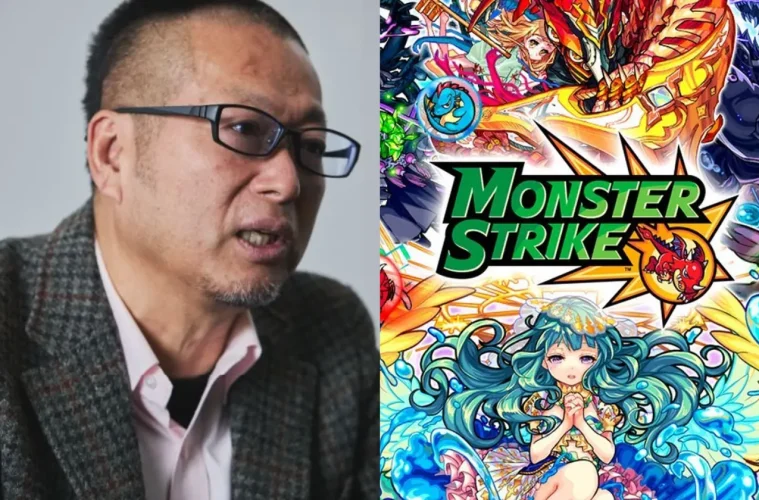
Former Capcom producer Yoshiki Okamoto has revealed that he spends more than $500,000 per account on his own gacha games, saying the move is deliberate “market research” to better understand high spenders. The comments, made during a Japanese TV appearance, have sparked plenty of debate about monetisation in mobile games and how far developers should go to understand their biggest customers.
Okamoto says the goal is simple. He wants to know exactly how players who drop serious money on microtransactions feel, so he can make sure they do not end up disappointed.
Comments Made On Japanese Television
Okamoto made the remarks during an appearance on the Fuji TV programme Where Did That Money Go?, a show that documents the financial highs and lows of well known figures. According to reporting from Sponichi Annex, later cited by Automaton, he explained that he spends over 80 million yen, roughly $500,000 to $520,000 USD, per account across multiple accounts in the gacha titles he is involved with.
“I need to understand what people who spend a lot of money on them think,” Okamoto said on the show. “I do this to make sure the people who spend the most don’t end up dissatisfied.”
He added that even if he had access to developer or admin privileges, using them would defeat the purpose. Without spending legitimately, he believes it would be impossible to truly understand how high spenders experience the game’s monetisation systems.
From Capcom To Monster Strike
However, the studio shut down in 2011 after a prolonged lack of hit titles and the bankruptcy of a US partner company that left significant development work unpaid. Okamoto has spoken openly about the fallout, revealing that he was left with more than $10 million in debt. He described being evicted from his apartment due to unpaid rent, moving between friends’ houses, and limiting his daily food expenses to just 300 yen.
The turnaround came in 2013 with the launch of Monster Strike, developed in partnership with Mixi. The mobile RPG became a breakout success, surpassing 50 million downloads globally and at one point becoming the highest grossing mobile game in the world. Even more than a decade later, it continues to chart strongly on Japanese app stores.

Image Credit: MIXI Inc
Earning Millions And Spending It Back Into His Games
Following the success of Monster Strike, Okamoto says he now earns just under $8 million annually through his current company, Deluxe Games. On Fuji TV, he explained that his financial position has completely transformed, going from two dollar daily food budgets to multi million dollar annual income.
He also revealed that he owns a home in Malaysia said to be roughly the size of 20 tennis courts. Yet despite the wealth, he claims that a significant portion of his income goes straight back into the games he produces, in the form of microtransactions.
By spending up to 80 million yen per account, he says he can directly test drop rates, premium currency value, and the psychological impact of high tier purchases. In his view, this is essential to maintaining trust with top spenders, who often fund a large portion of a gacha title’s revenue.
A Rare Look At Gacha Monetisation From The Inside
It is not often that a senior developer publicly admits to spending hundreds of thousands of dollars inside their own games. Okamoto frames it not as extravagance, but as diligence. In response to social media users questioning his habits, he said he is simply being thorough with his work.
His approach highlights the unique economics of gacha titles, where a relatively small percentage of high spending players can drive the majority of revenue. For Okamoto, understanding that segment is not optional, it is central to keeping a live service game sustainable over the long term.
Okamoto has also announced plans to retire in early 2027, which makes this a particularly reflective moment in his career. After decades in the industry, from arcade classics to mobile megahits, his willingness to personally engage with the monetisation side of design offers a rare perspective on how some creators view their responsibility to players.
As the mobile market continues to evolve, stories like this shine a light on the often unseen mechanics behind gacha success, and the lengths some developers are willing to go to stay connected to their biggest supporters.