
Zurich-based startup Sparkli has officially emerged from stealth, and it’s doing so with serious momentum. Founded by former Google and YouTube veterans, the company has raised a $5 million pre-seed funding round to build what it calls the world’s first multimodal AI-native learning engine for children aged five to twelve.
The round was led by Founderful, with participation from Arc Investors and a grant from Innosuisse. It stands as one of the largest pre-seed rounds ever seen in the EdTech space, signalling strong confidence in Sparkli’s vision to reshape how children learn with AI.
Turning Screen Time Into Active Learning
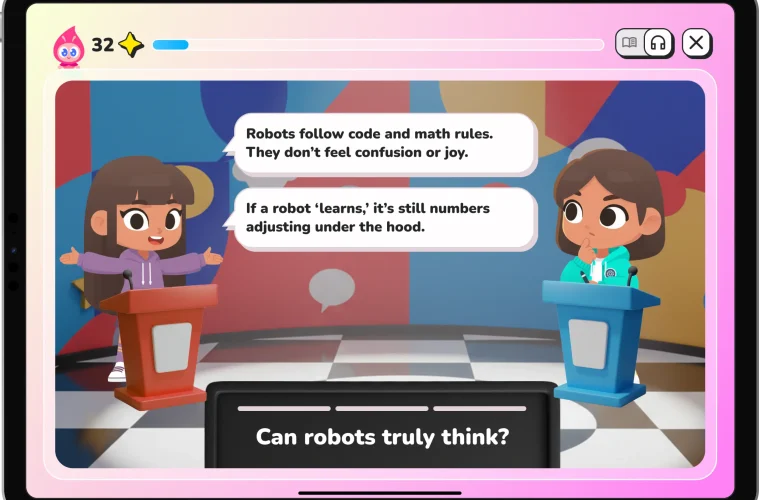
Sparkli positions itself as the “anti-chatbot” for kids. Instead of delivering walls of text or static answers, the platform uses real-time multimodal AI to turn curiosity into interactive learning expeditions. These experiences blend visuals, voice, simulations, debates, and gamified challenges to encourage children to think, create, and explore.

Image Credit: Sparkli
If a child asks how to build a city on Mars, Sparkli does not respond with a list of facts. Instead, it generates a guided expedition where children learn age-appropriate physics, simulate environmental conditions, and design their own habitats. Along the way, they are asked to make choices, debate ideas, and defend their decisions, building critical thinking rather than simple information recall.

Image Credit: Sparkli
Built To Close The Agency And Curiosity Gap
According to Sparkli, modern childhood education is facing an “Agency and Curiosity Gap”, where learning is too passive, too slow, and too disconnected from real-world relevance. The platform is built around three major shifts designed to address that gap.
The first is a velocity shift, replacing static curriculums with real-time exploration of topics as they emerge. The second is an engagement shift, moving away from passive screen time such as watching videos or scrolling through text, and toward playable, interactive learning environments. The third is a skills shift, prioritising creativity, complex problem-solving, emotional intelligence, and design thinking over memorisation.
Under the hood, Sparkli builds a personalised interest and knowledge graph for each child, allowing learning paths to adapt over time based on what genuinely excites them.
Early Validation From Schools And Families
Sparkli is already validating its approach through a strategic pilot with one of the world’s largest private school groups. The partnership gives the startup access to more than 100 schools and over 100,000 students, providing real-world feedback at scale.
Early classroom pilots have shown promising results. In one session, eight-year-olds used Sparkli to simulate running their own food cart businesses, debating budgeting, pricing, and customer experience. In another, students took full control during an unstructured “Freedom Friday”, launching expeditions on topics ranging from game design to the Big Bang.
Parents testing the consumer version have also noticed a shift in how their children engage with screens. One parent shared that their child finished a session excitedly outlining a sustainability plan for what they would do if they were mayor for a day.
A Team With Deep Tech And Education Roots
Sparkli was founded by Lax Poojary, a former Google Area 120 leader, alongside co-founders with experience across Google Search and YouTube. The team includes engineers and designers from ETH Zurich and the education sector, combining generative AI expertise with pedagogy, motion design, and game mechanics.

Image Credit: Sparkli
“Our goal is to build agency in the next generation,” said Poojary. “Children learn by exploring, making choices, asking questions, and discovering what inspires them. Sparkli turns screen time into a place where curiosity grows rather than fades.”
The company is focused on delivering a platform that is powerful yet safe, with strong guardrails and age-sensitive design, addressing concerns that open-ended AI tools can be overwhelming or unsuitable for younger users.
Aiming At A Massive Global Opportunity
Education is widely predicted to be one of the most significant use cases for artificial intelligence, with the global market valued at over $7 trillion. While platforms like Duolingo have built massive businesses by digitising structured drills, Sparkli is aiming much broader by reimagining how children acquire knowledge from the ground up.
“Sparkli represents a step change in how children can interact with knowledge,” said Lukas Weder, Partner at Founderful. “Their traction with schools shows a real appetite for tools that foster curiosity and agency rather than passive consumption.”
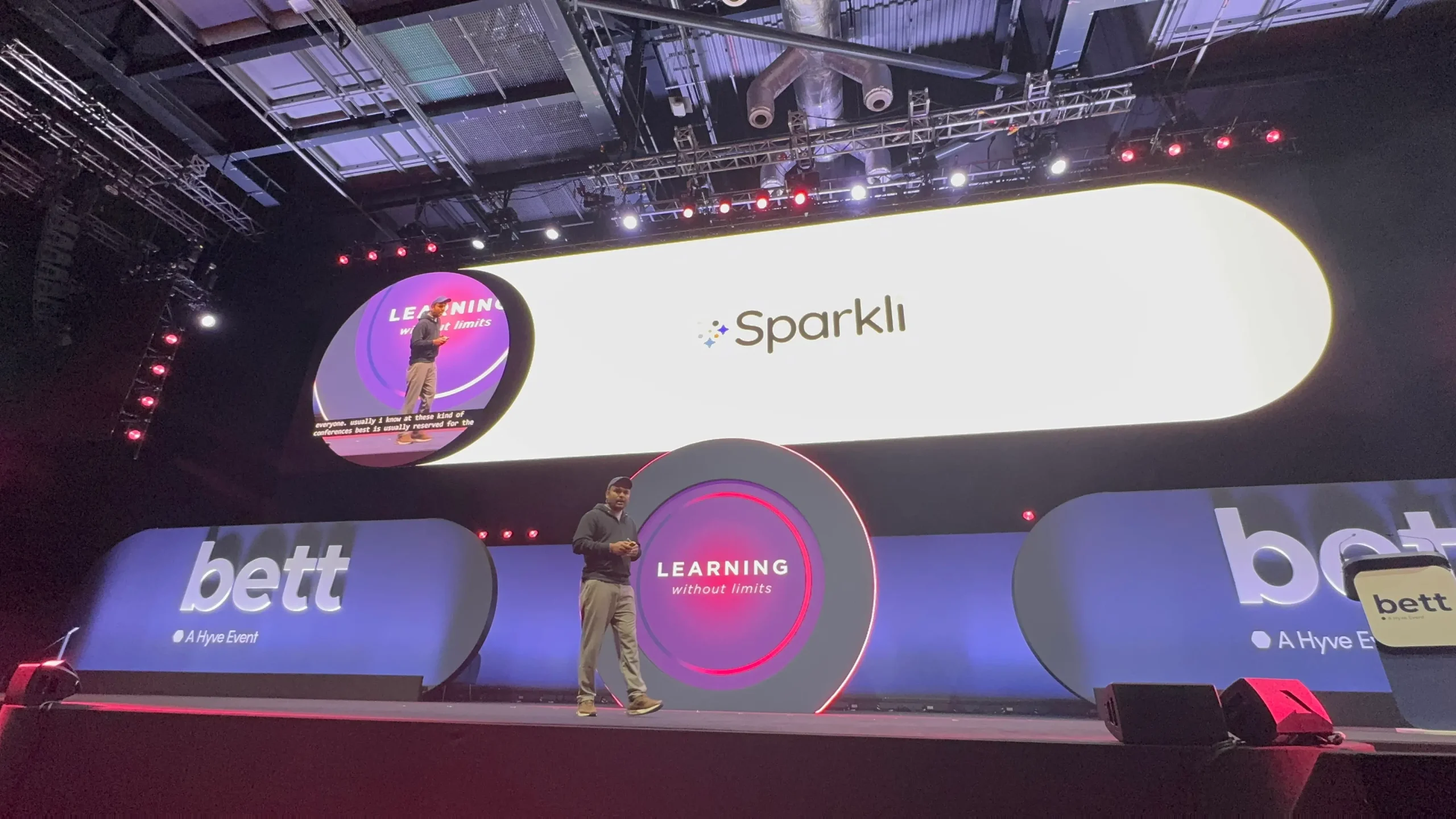
Image Credit: Sparkli
The startup was also selected as a main stage speaker at Bett, the world’s largest education technology conference, where it officially unveiled the platform this January.
What’s Next For Sparkli
The new funding will be used to scale Sparkli’s generative learning engine and prepare for a private beta launch in January 2026. A consumer launch is planned for June 2026, with early access spots expected to be limited.
Long-term, Sparkli envisions becoming an AI-native operating system for childhood development, extending from curiosity-driven learning into hands-on creation. The ultimate goal is a lifelong AI companion that remembers what a child cared about at age six and helps nurture those passions well into their teenage years.
For now, Sparkli is positioning itself as something many parents and educators have been waiting for, a way to make screen time feel meaningful, creative, and genuinely exciting again. Schools and parents interested in joining the waitlist for the upcoming private beta can register their interest at https://sparkli.ai/